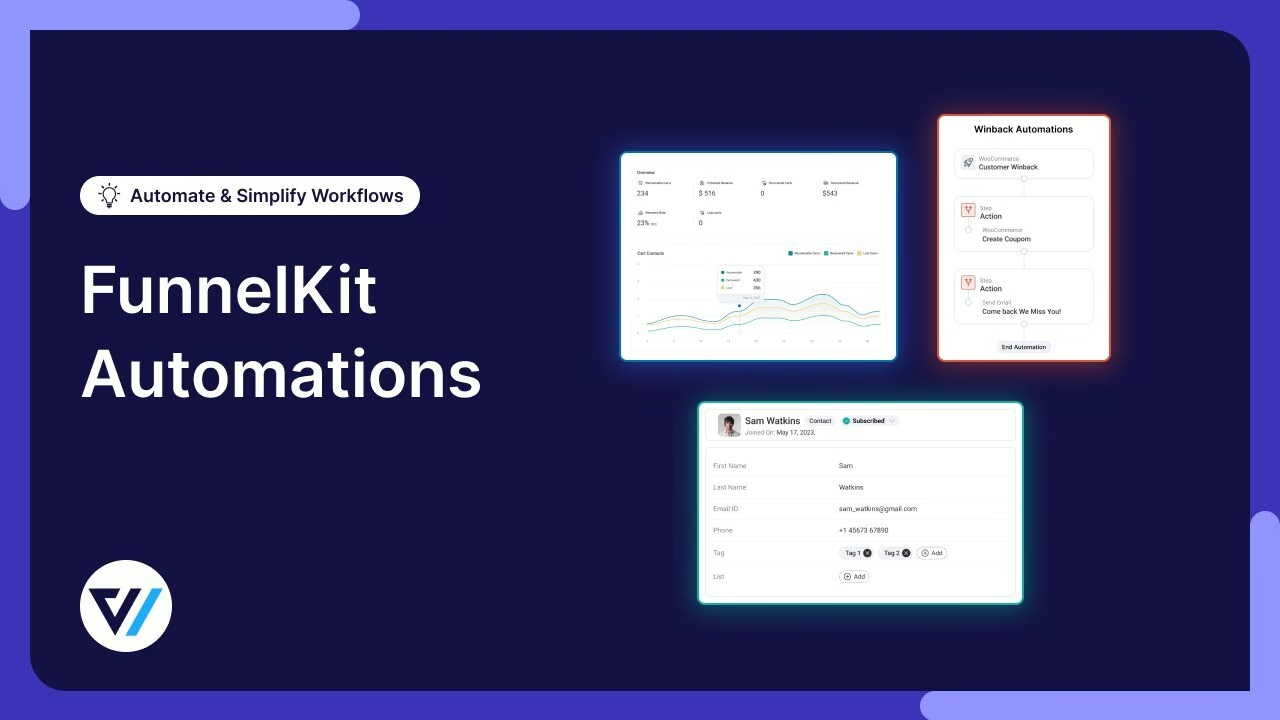
FunnelKit Automations
From 88% non-adoption to 4:47 setup time - making email automation actually usable
TL;DR
| The challenge | 88% of WooCommerce merchants weren't using email automation despite its proven ROI. SaaS tools were too expensive and complex. WordPress plugins were too limited. Nothing bridged the gap. |
| My role | Product Designer - research strategy, workflow architecture, email template system, copy/design collaboration |
| Team | 1 PM · 4 Engineers · 1 Email Deliverability Specialist · 1 Copywriter |
| Timeline | 9 months · Feb – Oct 2024 |
| Concurrency | Ran alongside Upsells during Q2–Q3 2024 |
| Tools | Figma · Litmus · Email on Acid · Amplitude |
The challenge
88% of WooCommerce merchants weren't using email automation despite its proven ROI. SaaS tools were too expensive and complex. WordPress plugins were too limited. Nothing bridged the gap.
My role
Product Designer - research strategy, workflow architecture, email template system, copy/design collaboration
Team
1 PM · 4 Engineers · 1 Email Deliverability Specialist · 1 Copywriter
Timeline
9 months · Feb – Oct 2024
Concurrency
Ran alongside Upsells during Q2–Q3 2024
Tools
Figma · Litmus · Email on Acid · Amplitude
Key Design Decisions
88% of merchants weren't using email automation. Not because the tools didn't exist - every tool just assumed you already knew what to build.
15,234 active installations. $23.4M in abandoned cart revenue recovered. 4:47 average setup time. Here's the story behind those numbers.
I worked with a PM, four engineers, a copywriter, and a deliverability specialist. I owned research strategy, workflow architecture, email template design, and collaborated on copy direction and authentication UX. Participants came from an in-app survey banner targeting stores under $50K/month who hadn't activated any automation feature.
The Discovery Gap
I started with one question: "What email automations do you want to set up?" Got 800 responses. The breakdown caught me off guard.
- 68%: "I don't know what's possible"
- 23%: "Whatever makes the most money"
- 9%: Had specific workflows in mind
800
Survey responses
10
Contextual sessions
6 / 10
Failed to complete
28 min
Avg time before giving up
Discovery Problem
68%544 responses
“I don't even know where to start with email”
“What's the difference between a flow and a sequence?”
“I didn't know abandoned cart emails were even possible”
“What's the first automation I should build?”
Insight
Need: guided discovery, not a blank canvas
Outcome-Oriented
23%184 responses
“Whatever makes me the most money”
“I want to recover carts - how do I do that?”
“Show me the ROI before I set anything up”
“I don't care what it's called, just make it work”
Insight
Need: expected results shown before setup begins
Power Users
9%72 responses
“I need conditional branching on purchase history”
“Can I A/B test subject lines automatically?”
“I want to segment by lifetime value”
“Does it integrate with my loyalty program?”
Insight
Need: power features visible but not prominent
The architecture gap
Merchants think in outcomes: “email people after they abandon.” Platforms think in architecture: “create a list, build a flow, add a delay node, configure trigger conditions.” The 91% failure rate is not a feature problem - it is a mental model mismatch.
That split got sharper by store size. Merchants under $10K/month were nearly three times more likely to pick "I don't know what's possible." So most merchants didn't have an automation problem at all. They had a discovery problem. Once I saw that, it changed how I approached everything.
Watching Merchants Fail
Recruited via exit-intent surveys on 12 merchant partner stores. 10 of 87 respondents agreed to 30-minute contextual sessions. Sessions recorded with consent.
James Miller
Outdoor Gear Store Owner
“I spent 40 minutes trying to connect a segment to an email. I couldn't figure it out. I gave up.”
Goals
- +Recover abandoned carts without manual work
- +Email buyers after purchase automatically
- +Focus on sourcing, not tech configuration
Pain Points
- −Platform speaks in segments, not plain language
- −Blank canvas with no starting point
- −Every setting requires knowledge he doesn't have
Observed Behaviors
Priya Rao
Handmade Ceramics Shop
“I tried to connect my store via API for 22 minutes. I had no idea what an API key was. I closed the tab.”
Goals
- +Welcome new customers with a personal touch
- +Let email run itself so she can focus on ceramics
- +Avoid expensive SaaS on a small budget
Pain Points
- −API keys required before sending a single email
- −Generic templates that don't match her brand
- −Too many steps before anything visible happens
Observed Behaviors
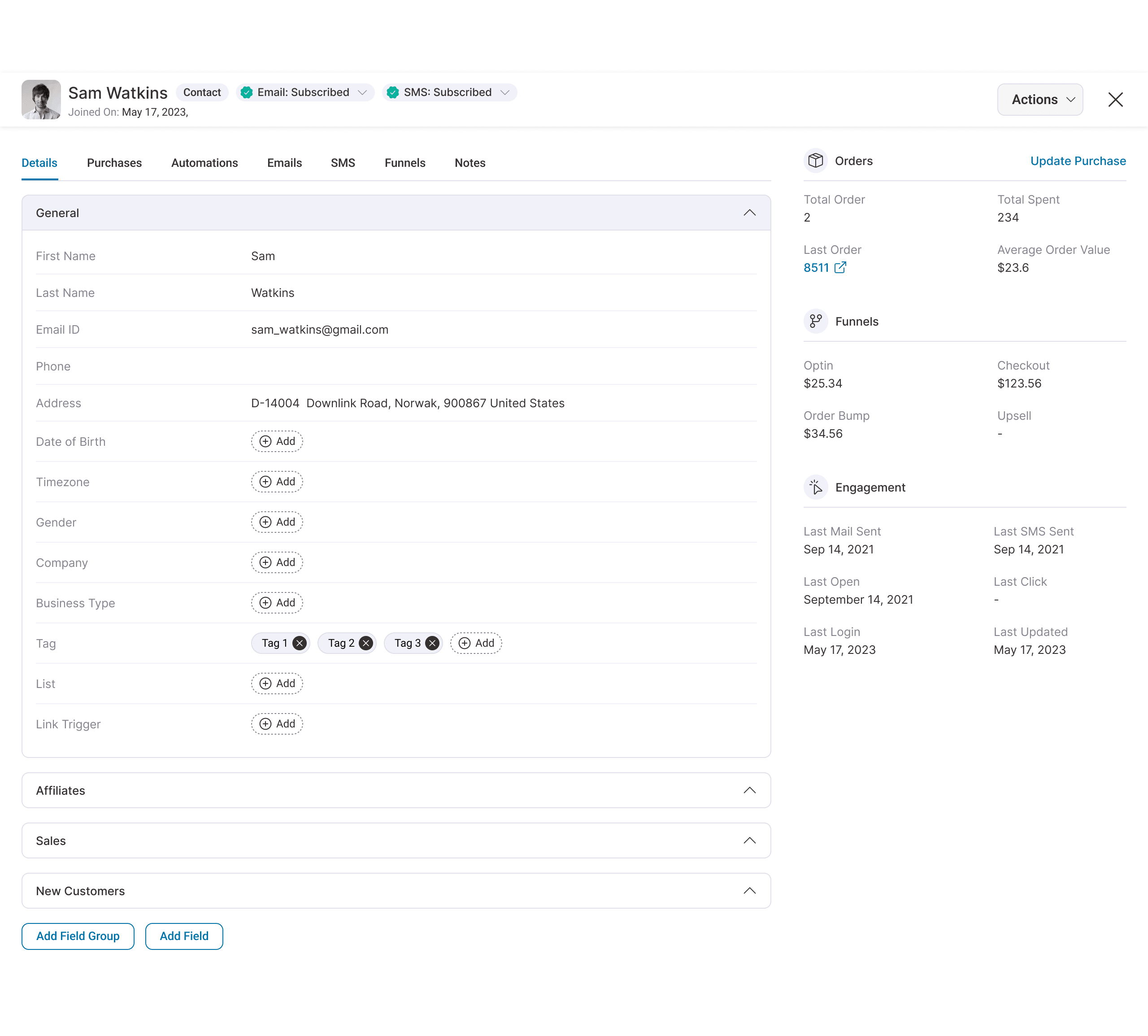
I ran contextual sessions with 10 merchants watching them try setup on competitor platforms. James runs an outdoor gear store. He spent 40 minutes on an abandoned cart flow - created a segment, couldn't figure out how to connect it to an email, gave up. His shoulders literally dropped. He knew what he wanted, just couldn't find the right buttons.
Priya sells handmade ceramics. She spent 22 minutes trying to connect her store via API before closing the tab. Her words afterwards: "I felt stupid, but I know I'm not stupid."
This happened in 6 of 10 sessions. Merchants think in outcomes - "email people after they abandon." Platforms think in architecture - "create a list, build a flow, add a delay node, configure trigger conditions." Two completely different languages for the same thing.
What merchants say
“Email people who abandon cart”
“Welcome new customers”
“Win back old customers”
What platform requires
Create segment list
Build automation flow
Add delay node
Configure trigger conditions
The Market Landscape
SaaS platforms (Klaviyo, Mailchimp, Drip): $50-500+/month, multi-hour setup, data living outside WordPress. You need API keys and webhooks configured before a single email sends.
WordPress plugins: Free or cheap, but they only handle basic transactional emails. No behavioural triggers. No real automation.
The merchants caught in between - growing stores wanting automation without SaaS complexity - had nothing. And no platform on either side told merchants what to build first. Everyone assumed you walked in with a plan.
Configuration Overload
SMTP Host
smtp.provider.io
Auth Method
DKIM / SPF
SPF Record
v=spf1 include:...
“I don't know what any of this means”
Generic Templates
Hi [first_name],
Check out our latest products! We have amazing deals waiting for you...
“This looks like spam”
Blank Canvas
Start here
“Where do I even start?”
The Copywriter's Question
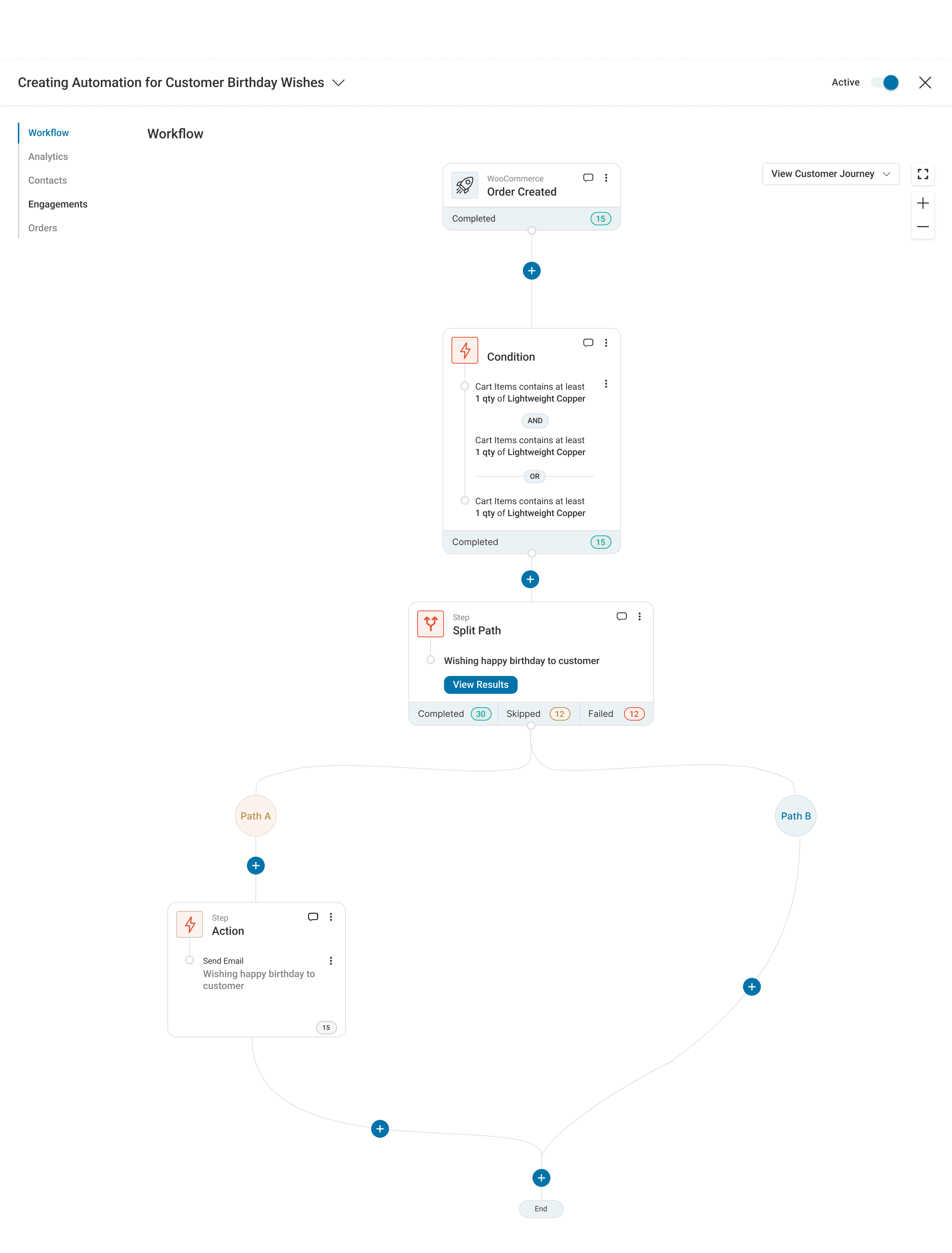
My first design was a drag-and-drop visual workflow builder. Technically elegant. I was proud of it. Then I tested it with 8 merchants. Advanced users loved it. Beginners had no idea where to start. 75% of my target audience staring at a blank canvas.
Trigger
Cart Abandoned
Delay
1 hour
Action
Send Email
Condition
Opened?
High click density - users configure nodes deeply
Beginners freeze - no engagement before first node
Our copywriter was sitting in on a test session and asked: "What if we show them finished examples first and let them edit?"
I'd been designing the tool. She was thinking about the merchant. That question humbled me and sent the whole project in a different direction.
It pointed toward a recipe library - pre-built automations merchants could activate immediately. Tested with 10 merchants, 9 activated in under 5 minutes. But activation didn't mean confidence. Several asked "How do I change the emails?" right after launching. They'd started something they didn't fully understand yet.
That gap - between activated and confident - is where the final design came from. I presented the recipe concept to our PM and engineering lead with the research data. PM's concern was scope creep, understandably. I scoped it down to four recipes covering 80% of use cases: abandoned cart, welcome series, win-back, post-purchase. We agreed to ship those first and revisit.
Building the Wizard
Instead of starting from features, I started from what the merchant actually wanted to accomplish. Five steps:
- Choose your outcome. Recover abandoned carts, welcome new customers, re-engage past customers, increase repeat purchases
- See a recipe with expected results. Real benchmarks from internal cohort data
- Customise only essentials. Sender name, discount amount, preview emails. That's it
- Activate. "Your automation is ready. It will run automatically starting now."
- Optimise later. "Want to go deeper? Edit timing, add emails, or modify copy."
Tested with 15 merchants. All 15 activated successfully. Average time: 4 minutes 12 seconds. That 4:47 number in the stats? This wizard is how.
Choose outcome
Eliminates blank canvas paralysis
See recipe + results
Eliminates trust barrier
Customise essentials
Eliminates decision fatigue
Activate
Eliminates setup complexity
Optimise
optionalEliminates guesswork
Choose outcome
Eliminates blank canvas paralysis
See recipe + results
Eliminates trust barrier
Customise essentials
Eliminates decision fatigue
Activate
Eliminates setup complexity
Optimise
optionalEliminates guesswork
The Email System
The 3-email abandoned cart sequence. Email 1 goes out at 1 hour - abandoned products with images, 67% higher CTR than text-only. Email 2 at 24 hours brings customer reviews, no discount, because social proof actually reduces purchase anxiety better than a coupon at this stage. Email 3 at 72 hours offers 10% off. We tested across 500 accounts and emails 4 and 5 recovered under 2% additional revenue while increasing unsubscribes. Cutting them was the harder call, but the right one.
Product images + "Complete Your Order"
Urgency without pressure
Social proof, no discount
Build trust before incentive
10% discount code
Last resort, highest margin
Emails 4-5: <2% additional recovery -- diminishing returns
Product images + "Complete Your Order"
Urgency without pressure
Social proof, no discount
Build trust before incentive
10% discount code
Last resort, highest margin
Emails 4-5: <2% additional recovery -- diminishing returns
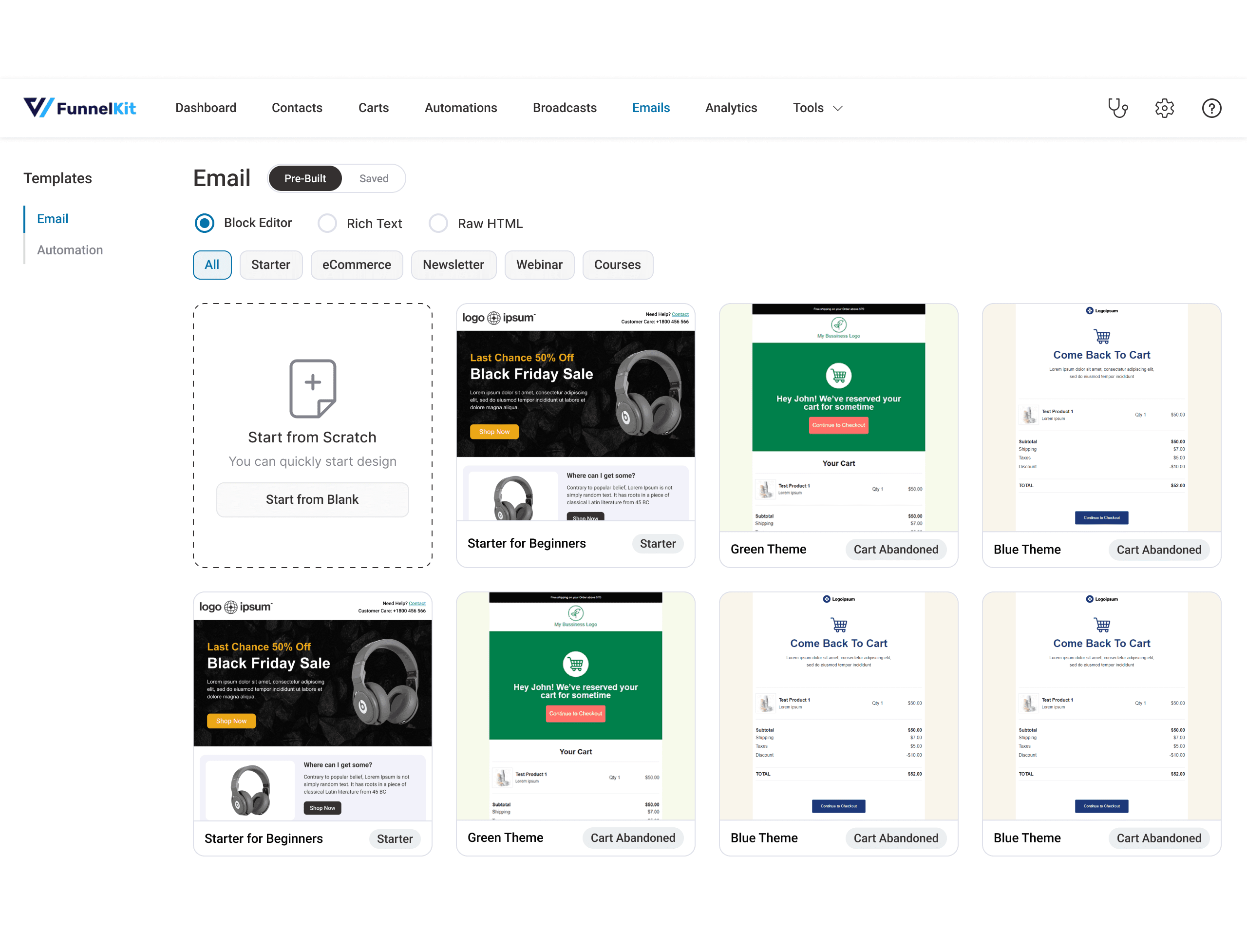
The template component system. 47 email templates, all built from shared components: product cards, CTA buttons, header/footer blocks, review widgets, discount badges. 8px spacing grid, colour variables for one-click theming, responsive breakpoints tested across 60+ email clients in Email on Acid. The payoff was efficiency - adding a new automation recipe took hours instead of days because the building blocks existed.
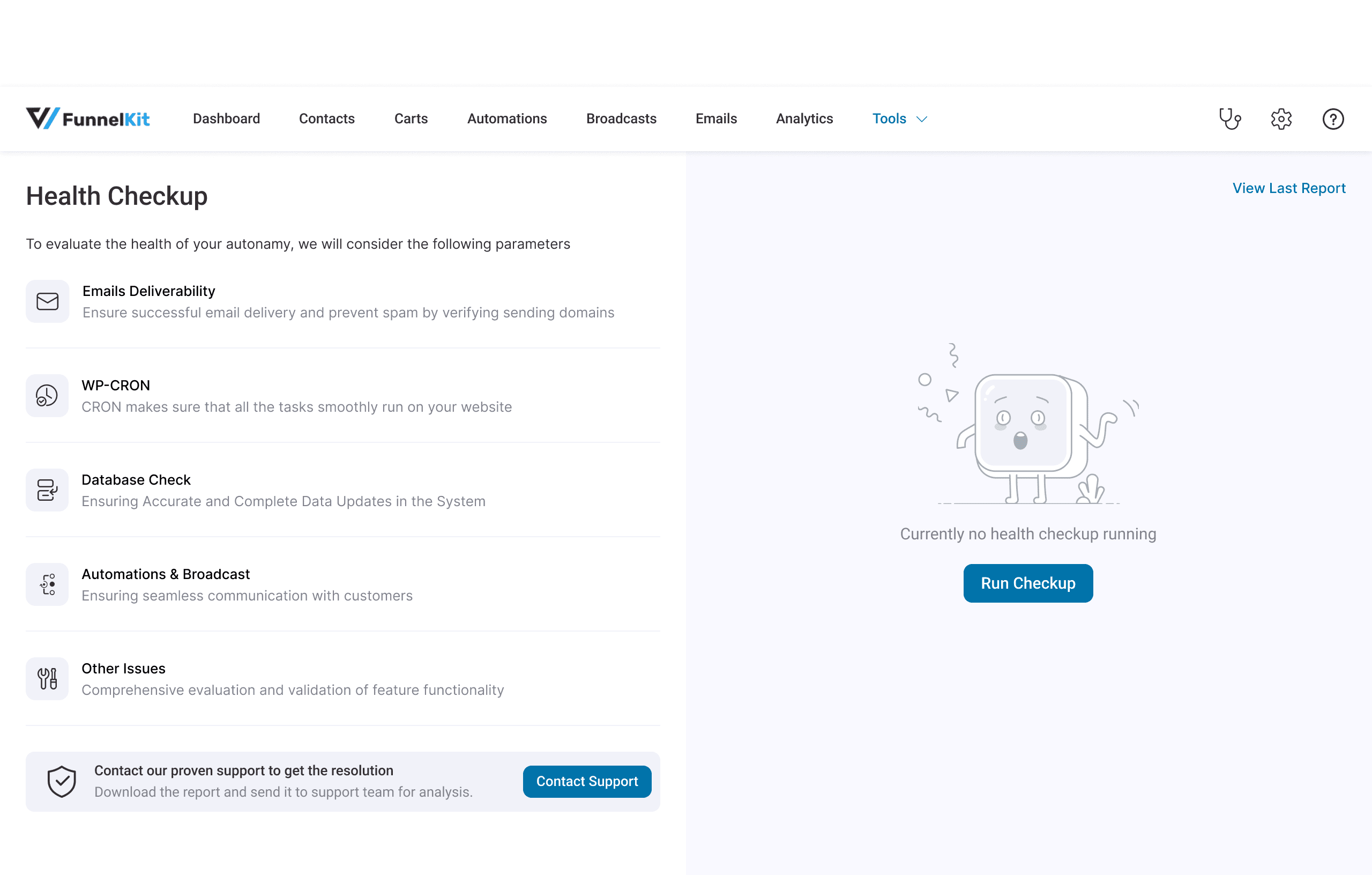
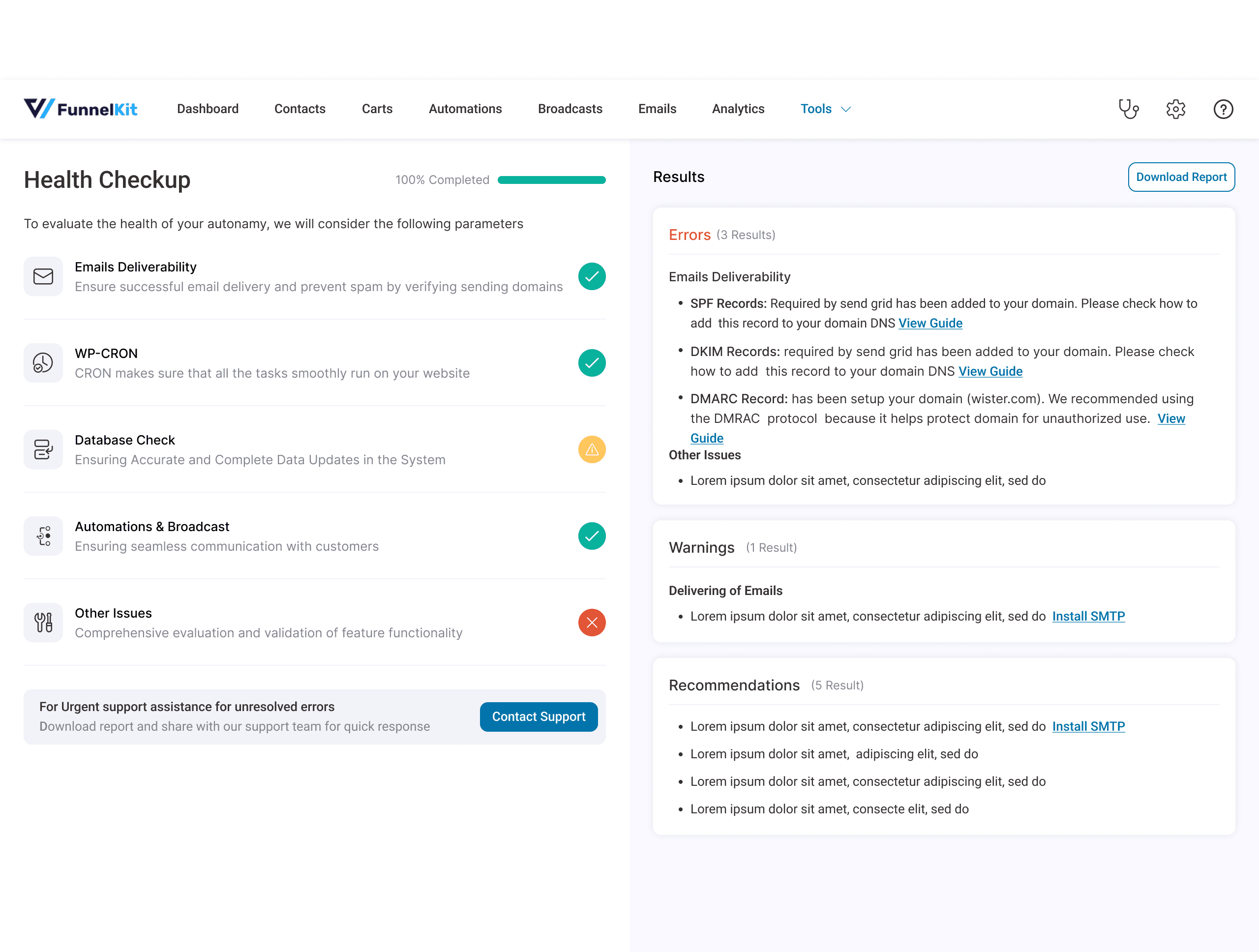
The authentication pivot. Our deliverability specialist caught something I'd completely missed - no merchant was going to self-configure SPF/DKIM/DMARC. He reframed authentication as the gate between "sent" and "received," not an optional setting. So I designed an authentication wizard: detect existing DNS records, explain what's missing in plain language, verify before allowing sends. 8 non-technical merchants tested it, all 8 authenticated without needing help. 94% success vs. 30% industry average. His domain expertise changed the product more than most of my design decisions.
Detect DNS
Explain in plain language
Copy-paste instructions
Verify + unlock
Detect DNS
Explain in plain language
Copy-paste instructions
Verify + unlock
94% success rate vs 30% industry average
Accessibility. Every template: alt text on product images, plain-text fallbacks, minimum 14px body text, 4.5:1 contrast ratio, single-column layout for screen reader compatibility.
Reflections
31% of installations came from non-English markets. I hadn't planned for that at all. English-only templates, US timezone defaults. That gap taught me something I now apply to every project - build localisation hooks from the start, even before translations exist. On Upsells (my next project), I added currency and language variables into the template system from day one.
I should have built the email editor in V1. 47% of merchants wanted to customise layout, colour, or fonts. 12% of 1-star reviews mentioned template inflexibility. In hindsight, flexibility wasn't a nice-to-have. It was core.
Activation ≠ retention. 91% of automations still running at 90 days, 84% at 180 days. Decent. But I didn't have those numbers until 6 months post-launch because I hadn't built the tracking. Should've done that from the start.
The best insight came from outside design. The deliverability specialist changed the product more than any design decision I made. The copywriter's question redirected the entire architecture. Staying genuinely open to that - not just performing openness - is part of doing the job well.
“Recovered 20% of my average daily revenue in 24 hours using SMS and email. No noticeable site speed impact.”
“Two features have added $50k+ in revenue, not a bad ROI!”
More Projects